
Loading
EXPLORE OUR CROPS | DISCOVER OUR SCIENCE
Discovered precisely • Advanced rapidly • Tested rigorously • Delivered responsibly
Performing crop solutions developed through field intelligence, speed breeding and precision molecular tools. These approaches help develop superior hybrids and varieties faster and more efficiently support productivity, profitability and resilience for farmers.
Science in Action: From Breeding Stations-Speed Breeding Hubs to Fields
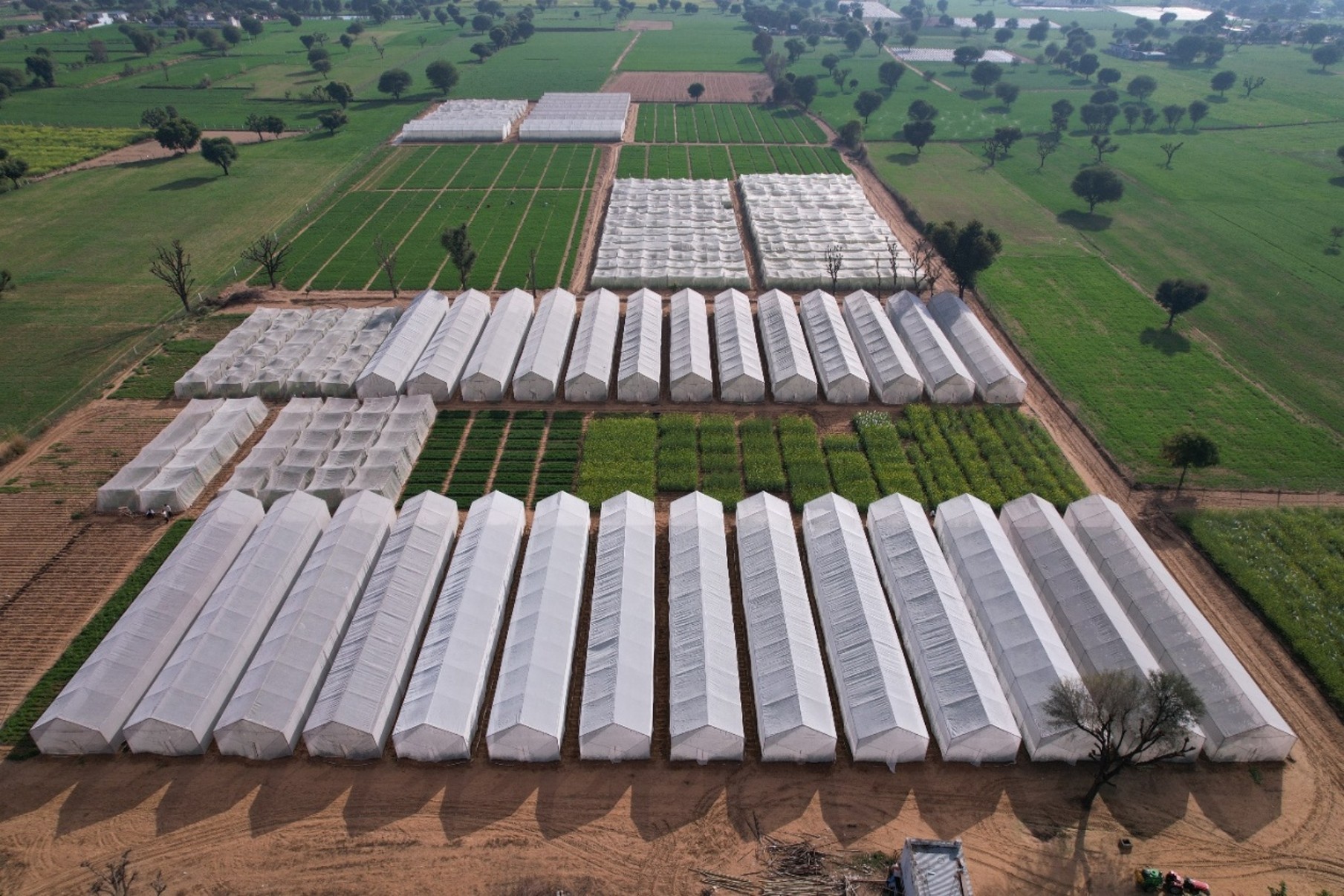
SeedWorks R&D brings together crop breeders, entomologists, pathologist, biotechnologist, agronomist, seed technologist and data scientist in one connected innovation system.
Every promising line moves through evidence-led selection, managed biotic/abiotic and stress screening across diverse environments.
Diverse genetics and purposeful crosses
Markers, phenotyping and insight
Speed breeding and rapid advancement
Stress screens and multi-location trials
Farmer-relevant products and value
Each program applies the same research engine customized to deliver defined trait targets.
SUPERIOR GENETICS-BETTER FIBRE
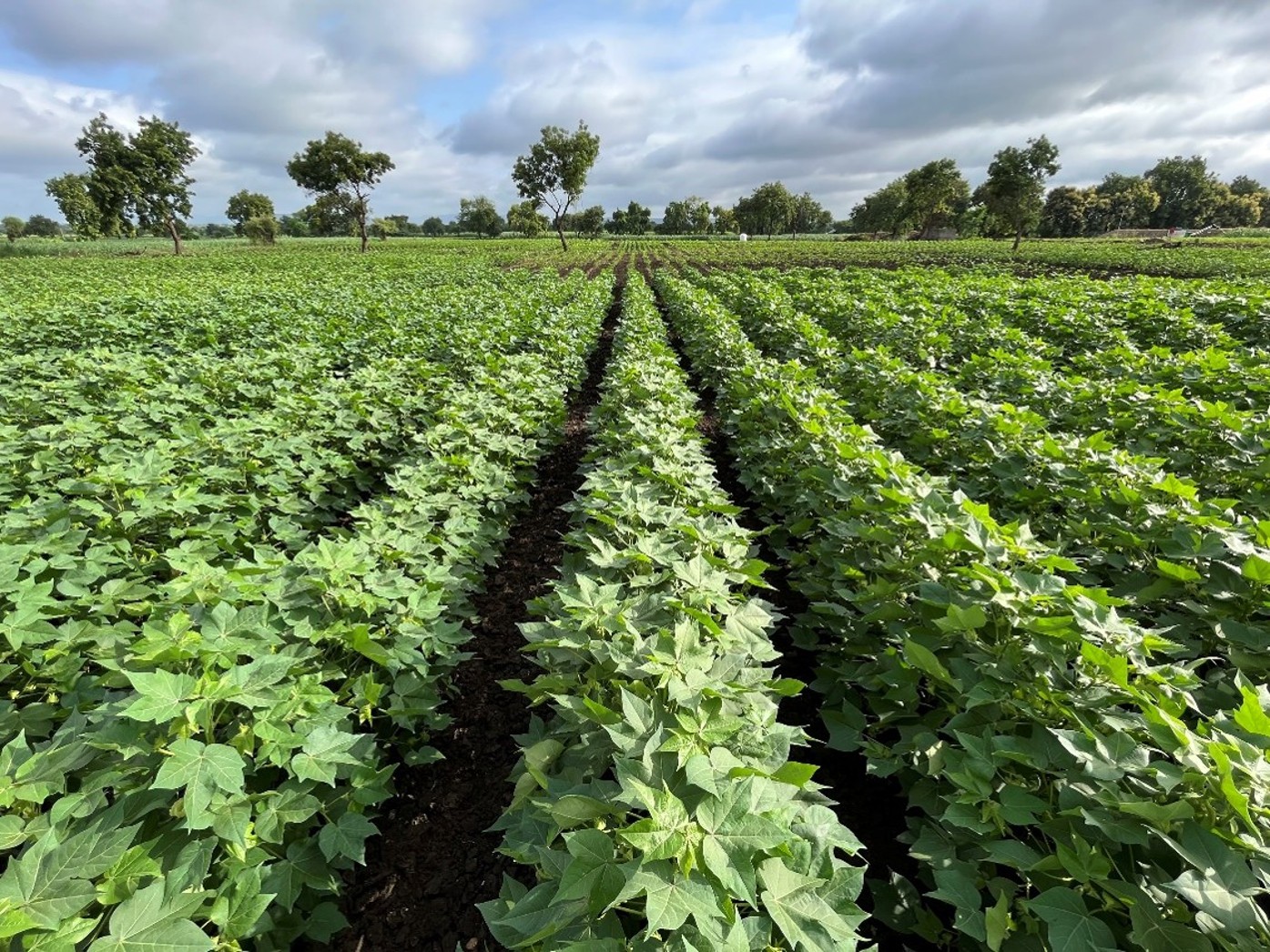
SeedWorks is building high-performing cotton hybrids through stronger genetics, wide field testing, pest and disease tolerance, and faster breeding methods. Products are designed for cotton-growing regions in India and Africa.
Our breeding focus: Better cotton begins with a clear understanding of what growers, ginners and the textile value chain need from every hybrid. The program therefore evaluates yield potential together with boll setting, plant vigour, maturity, fibre length, strength, uniformity and ginning performance. Promising material is advanced only when it demonstrates a balanced combination of productivity, quality and field reliability.
Breeding decisions are supported by observations from research stations and representative production environments. This helps identify hybrids that can perform consistently under varied sowing windows, soil types and crop-management practices.
Research Direction
The cotton program targets yield, fibre quality and stronger protection against key pests, diseases, heat and drought. It combines diverse cotton genetics, multi-location testing, Rapid Generation Advancement and molecular breeding.
Integrated breeding approach: Conventional selection is strengthened with molecular tools, trait-linked screening and rapid generation advancement. This integrated approach helps breeders identify useful combinations earlier, shorten breeding cycles and focus field resources on the most promising material.
How We Build and Validate Hybrids
Where We Are Going
Broader genetics • Wider geographies • Durable pest and disease tolerance • Better fibre quality • Plant architecture suited to high-density planting
The next phase of the cotton program is focused on combining genetic gain with practical field value. The pipeline will continue to broaden the genetic base, strengthen testing across contrasting environments and use faster breeding cycles to move dependable products towards farmers.
Product Priorities
Value Across the Cotton Chain
For farmers, the goal is reliable productivity, manageable crop duration, better adaptation and a crop that stands up to important field stresses. For ginners and the textile industry, the focus is consistent fibre and ginning attributes that support processing efficiency and end-use quality. By aligning these needs, SeedWorks aims to develop cotton hybrids that create value from the field to fibre.
BETTER FIELD-TO-PLATE VALUE
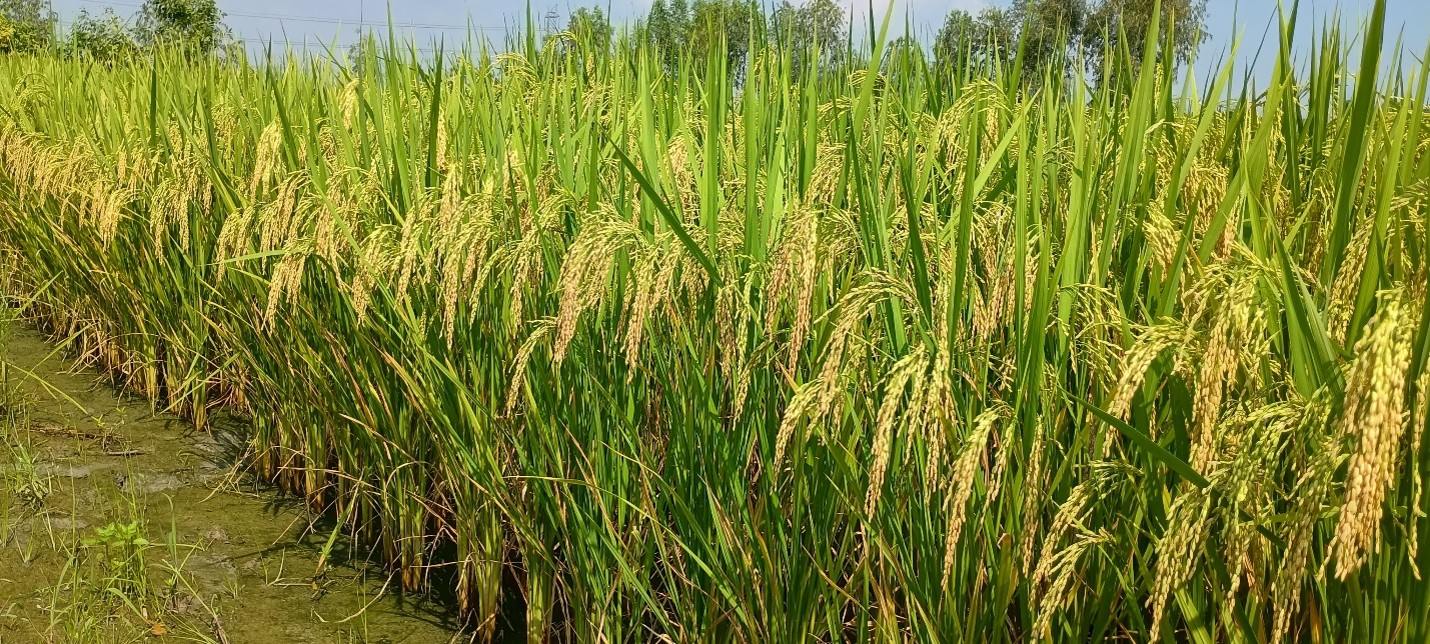
Since 2004, SeedWorks has developed hybrid rice products for India, the Philippines and Nepal—combining high yield, reliable seed production, resilience and quality grain.
This field-to-plate approach begins with a clear understanding of the production environments in which farmers grow rice and the quality expectations that shape market demand. Product development therefore brings agronomic performance, seed producibility, grain quality and consumer preference into the same breeding objective. By evaluating these requirements together, SeedWorks aims to develop hybrids that perform reliably on the farm while also delivering value through processing, cooking and consumption.
Trait Priorities
The trait portfolio is designed around dependable performance rather than a single characteristic. Yield potential must be supported by stability across seasons and locations, while grain quality must remain suitable for milling and household use. Resistance and tolerance traits help protect crop performance when fields encounter biological or environmental pressure. Together, these priorities support hybrids that are productive, practical to cultivate and aligned with the needs of the wider rice value chain.
A combination of molecular tools, speed breeding and precise field evaluation helps breeders identify useful traits earlier and advance promising material more efficiently. Wider testing across representative environments then provides evidence on adaptability, crop appearance, maturity, stress response and consistency. Mechanization and improved measurement further strengthen the quality of field observations and support timely, data-informed selection decisions.
Direct-Seeded Rice, supported by herbicide tolerance, addresses important changes in rice cultivation. Establishing the crop directly can reduce dependence on transplanting labour and contribute to more efficient use of water and other production resources. Effective weed management is central to the success of this system; integrating suitable tolerance with sound agronomy can help farmers manage weeds more efficiently, protect crop establishment and improve operational flexibility. The resulting production system can reduce establishment costs and contribute to a lower environmental footprint while maintaining the performance and grain attributes expected from a competitive hybrid.
One Crop. Three Measures of Values
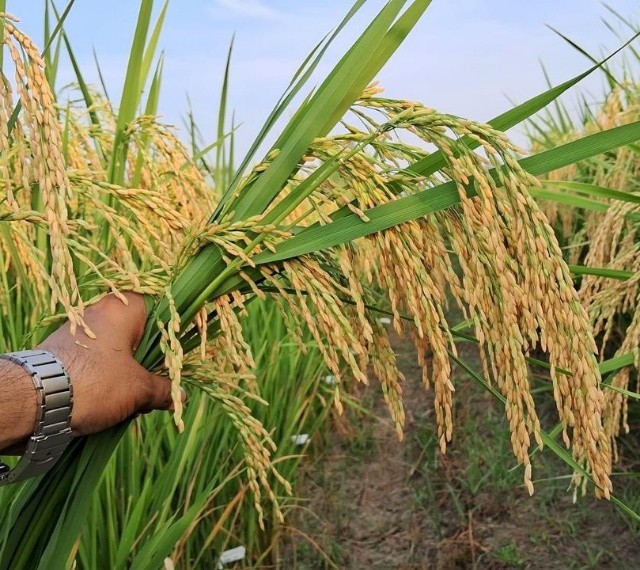
Value is created when each participant in the rice chain benefits from the same product. For farmers, a hybrid must combine yield opportunity with broad adaptation, dependable seed availability, a desirable standing crop and protection against the major stresses encountered in the target environment. These qualities help support confidence in cultivation and more consistent field outcomes.
For millers, the value of harvested paddy depends on efficient processing and the recovery of marketable whole grains. Strong milling performance and head rice recovery can improve the conversion of paddy into saleable rice and strengthen acceptance in the processing channel. For consumers, grain appearance, texture and cooking quality remain equally important. A preferred grain type that cooks well and delivers a non-sticky eating experience helps connect field performance with everyday satisfaction at the plate.
THRIVING IN DRYLANDS-DELIVERING GRAIN AND FODDER
SeedWorks is developing pearl millet hybrids that help farmers produce more grain and fodder while coping with heat, drought, disease and lodging across India’s rainy and summer growing seasons.
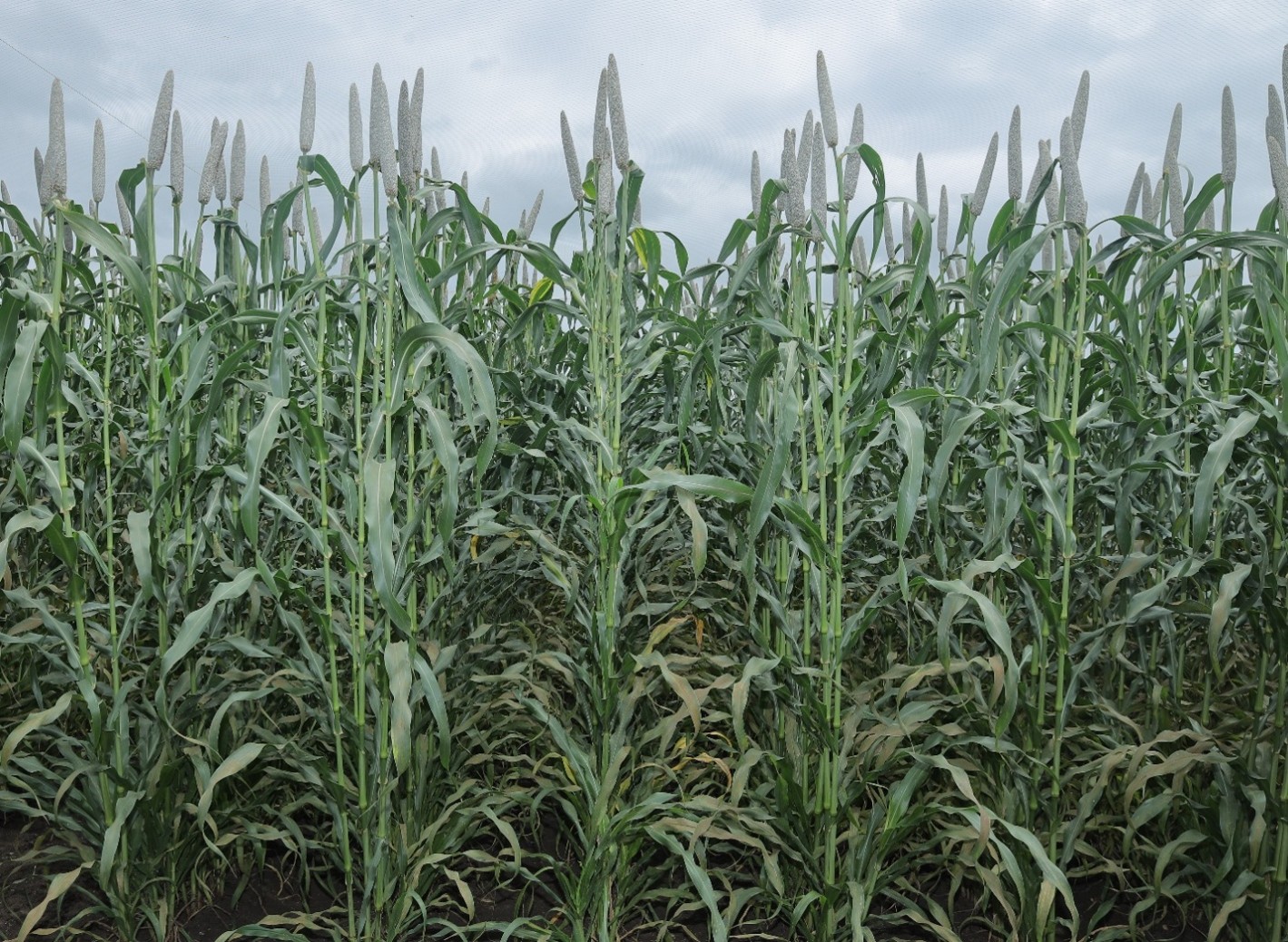
Pearl millet is central to farming systems in dry and variable environments, where dependable crop establishment and stable performance are essential. The breeding effort is therefore focused on hybrids that can maintain productivity when rainfall is uncertain and temperatures are high, while also meeting the practical needs of farmers who depend on the crop for both grain and fodder.
This dual-purpose approach acknowledges that every part of the crop contributes value. Grain supports household, market and nutritional needs, while dry fodder supports livestock-based livelihoods. By improving both outputs together, the program aims to deliver hybrids that offer a more complete and reliable return from each season.
Performance is considered across India’s rainy and summer growing seasons so that hybrid development reflects differences in temperature, moisture availability and crop duration. This broader seasonal focus helps identify material with the adaptability required for diverse production conditions rather than performance limited to a narrow environment.
Heat, drought, lodging and disease can reduce crop reliability at different stages. Selection therefore brings these priorities together instead of treating them in isolation. The objective is a balanced plant type that can establish well, progress through the season and protect grain and fodder potential under the combined pressures commonly experienced in dryland cultivation.
A broad genetic base supports this work. Diverse germplasm provides the variation needed to combine productivity, resilience, crop health and end-use value in progressively stronger breeding material. Promising combinations are advanced and assessed with the aim of developing superior hybrids that remain practical for cultivation and relevant to farmer priorities.
Built Around Farmer Priorities
The program combines diverse germplasm, modern breeding tools and wider testing to build a broad genetic base and create superior hybrids.
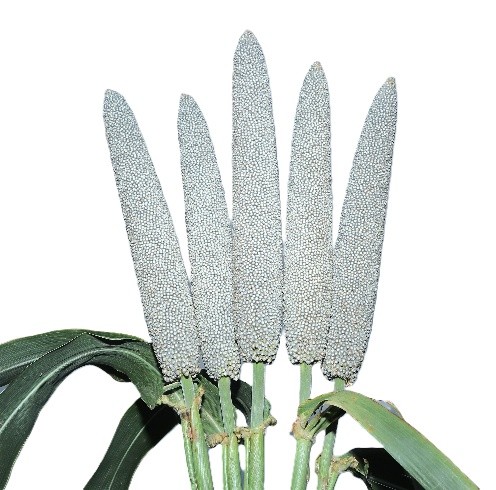
These priorities are pursued as an integrated product profile. Higher grain or fodder output alone is not sufficient if a hybrid lacks maturity fit, standability, crop health or grain characteristics valued in the target market. Breeding decisions therefore consider the full combination of traits needed to support consistent field performance and useful harvest outcomes.
Multi-location testing helps breeders observe how advanced material responds across contrasting environments. Repeated evaluation provides a stronger basis for identifying adaptable hybrids and understanding the consistency of key traits. Rapid Generation Advancement and molecular breeding complement this process by helping the program move useful genetics forward efficiently and make more informed selections.
What Comes Next
Stronger breeding • More environments • Broader germplasm • Natural resilience • Modern tools • Operational efficiency
The next phase will strengthen the breeding pipeline by evaluating more material across more relevant environments and by continuing to widen the germplasm base. Greater environmental coverage will sharpen understanding of adaptability, while broader diversity will create further opportunities to combine productivity with naturally resilient plant characteristics.
Modern tools will continue to support selection and generation advancement, but the direction of the program will remain anchored in field performance and farmer value. Better integration of breeding information, testing results and operational processes can help teams make timely decisions, retain the strongest material and direct resources toward the combinations with the greatest potential.
Together, these efforts are intended to build a sustained pipeline of pearl millet hybrids suited to dryland agriculture—hybrids that bring together grain and fodder productivity, appropriate maturity, crop health, standability, nutritional value and resilience. The long-term aim is consistent: practical products that perform across seasons and help farmers manage production risk without losing sight of quality or market preference.
SUPERIOR OIL QUALITY-CLIMATE RESILIENCE
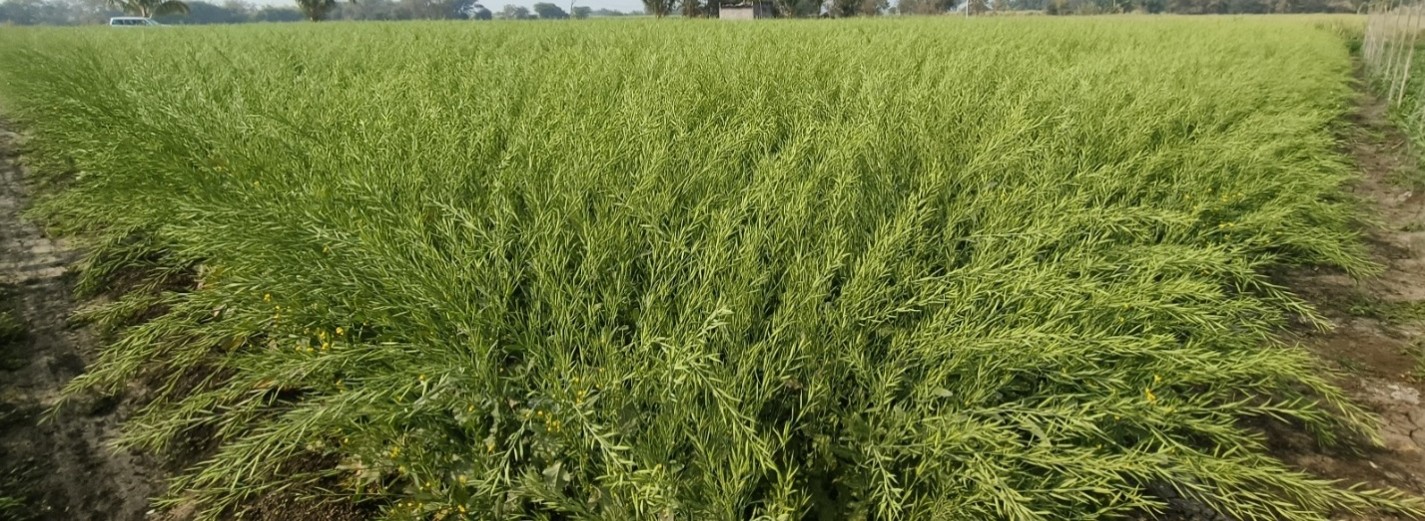
SeedWorks combines diverse germplasm with proprietary elite lines, expanded testing and modern tools to accelerate genetic gain and bring improved mustard hybrids/varieties to market as per farmers requirements.
Our Breeding Approach
The mustard improvement program is built around the systematic use of genetic diversity and the continuous refinement of proprietary elite lines. By bringing complementary traits together through targeted crossing and selection, the program seeks to create products that combine productivity, oil quality, agronomic suitability and dependable field performance. Each breeding cycle is designed to strengthen the overall product profile rather than improve a single characteristic in isolation.
Promising material is advanced through repeated evaluation so that performance can be understood across different production conditions. Expanded testing helps breeders identify lines and hybrids that express their potential with greater consistency, while modern tools support faster and more informed selection. This integrated approach improves the efficiency of decision-making and helps focus resources on the most valuable combinations.
The objective is to move improved mustard hybrids and varieties toward market readiness with a clear understanding of farmer requirements. Product advancement therefore considers the complete cultivation experience, including crop establishment, maturity fit, plant stand, harvestability and resilience under major biotic and abiotic pressures. This ensures that genetic gain translates into practical value under farm conditions.
Research Priorities
From Research Priorities to Product Performance
Productivity and quality remain central to the breeding strategy. Yield improvement is pursued together with oil content, seed size and resistance to shattering so that gains remain relevant from crop production through harvest and end use. Selection is directed toward balanced combinations that can contribute to stronger farm output without compromising the quality characteristics expected from improved mustard products.
Plant type and maturity are developed in relation to the needs of target segments. Early- and medium-maturity options provide flexibility for different production windows, while improved plant architecture supports efficient crop management and a more uniform field appearance. These attributes are evaluated together with yield potential so that maturity and plant form contribute directly to product performance.
Biotic trait improvement focuses on strengthening resistance to Sclerotinia, white rust, Alternaria, powdery mildew and Orobanche. Screening and selection help identify useful sources of resistance and support their incorporation into advanced breeding material. The aim is to develop products with a durable defensive trait profile while retaining the productivity, maturity and quality attributes required for commercial relevance.
Adaptability is strengthened through targeted hybridization, trait-led breeding and multi-environment testing. Evaluating material across geographies enables the program to understand performance stability and identify products suited to a wider range of growing conditions. This evidence-based process supports advancement decisions and helps align product profiles with the realities of diverse mustard-growing environments.
Where We Are Going
Broader genetics • Wider adaptation • Higher yield and oil content • Durable disease resistance • Climate-resilient plant types
HIGH-VALUE TRAITS- WIDE ADAPTABILITY
Develop high-yielding wheat varieties with lodging tolerance, durable disease tolerance, climate resilience, suitable maturity and broad adaptability across key wheat growing geography while meeting the quality requirements of farmers, processors and consumers.
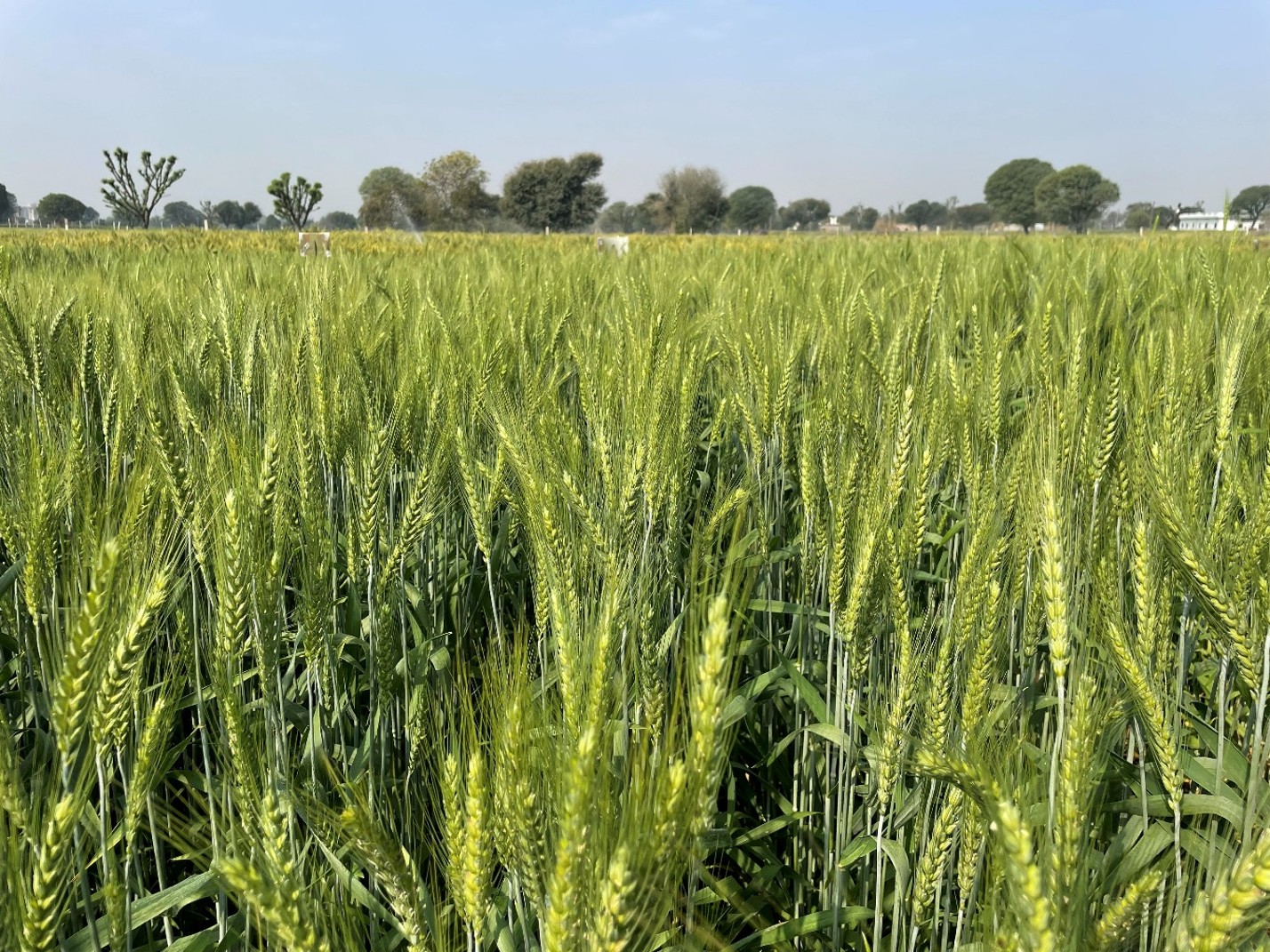
The product-development approach brings together potential, crop resilience and market-relevant quality in a single, balanced breeding objective. Rather than optimizing one trait in isolation, the program aims to build varieties that perform reliably under the diverse production conditions encountered across major wheat-growing regions. This includes variation in sowing time, soil type, irrigation availability, crop-management intensity and seasonal weather patterns.
High and stable productivity remains central to this strategy. Varieties are expected to combine strong grain yield with dependable dry-fodder value and good standability. Lodging tolerance is especially important because it helps protect harvestable yield under favourable, high-input conditions and supports cleaner, more efficient harvesting where mechanization is used.
Adaptability is addressed through careful selection for performance across contrasting environments. Drought and terminal heat can reduce grain filling and yield, while delayed or changing sowing windows may expose the crop to additional stress. Medium-to-early maturity, resilient crop establishment and consistent expression of yield components therefore form an important part of developing wheat products that remain dependable across seasons and locations.
Disease tolerance is pursued as a durable, field-relevant trait. Native sources of tolerance and appropriate gene combinations are evaluated against important rust diseases. Hotspot screening provides an effective means of challenging breeding material under environments where disease pressure is naturally strong, enabling the identification of lines that maintain useful tolerance alongside agronomic performance.
Quality improvement complements agronomic performance. Grain iron, zinc and protein content contribute to nutritional value, while gluten strength, starch characteristics, milling recovery and baking performance influence suitability for processors and consumers. Aligning these attributes with clearly defined end-use segments helps ensure that improved varieties create value across the wheat chain without compromising field performance.
Future-Ready Product Strategy
These priorities are designed to work as an integrated product profile. A successful variety must translate genetic potential into harvestable productivity while remaining practical for the farmer and relevant to the market. Selection therefore considers trait balance: strong yield should be supported by standability, maturity must fit the target production window, disease tolerance should remain effective in representative environments, and quality traits must match the requirements of intended users.
The strategy also recognizes that wheat production systems are evolving. Greater mechanization, shifting sowing periods, changing climate patterns and rising expectations for grain quality are creating new product opportunities. Breeding concepts can be differentiated for timely and late sowing, varying input levels and specific end uses, while retaining the core requirement of broad adaptability and reliable performance.
Where We Are Going
Broader genetic diversity • Wider adaptation across wheat-growing geographies • Durable disease tolerance • Improved grain and end-use quality • Plant architecture suited to high-yielding, mechanized production
Progress toward this direction depends on continuously widening the genetic base and using diverse sources to assemble complementary traits. Broader diversity creates more opportunities to improve yield stability, maturity, plant architecture, stress response and quality. It also strengthens the capacity to respond to emerging production challenges and changing customer preferences over time.
Wider adaptation will be supported by evaluating promising material across representative wheat-growing geographies and production situations. Multi-environment performance helps identify lines that are not only high yielding in favourable locations but also consistent when exposed to heat, moisture limitation, variable disease pressure or management differences. This emphasis on stability supports confident product placement and dependable performance for farmers.
The desired outcome is a portfolio of future-ready wheat varieties that connects genetic improvement with practical value. For farmers, this means productive crops with strong standability, suitable maturity and resilience to major stresses. For processors, it means grain with consistent milling and end-use characteristics. For consumers, it supports quality and nutritional attributes aligned with evolving food needs. Together, these objectives provide a clear pathway for developing wheat products that are productive, adaptable and relevant across the value chain.